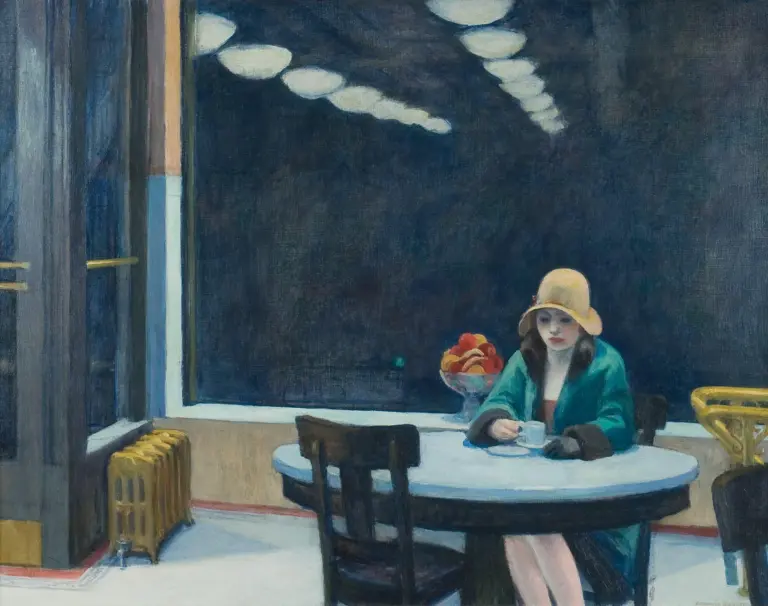
If current demographic trends in Azerbaijan continue over the coming decades, the country could experience significant changes in its family structure and social norms by 2050. Fewer marriages, later family formation, smaller households and an ageing population would likely affect not only demographics but also everyday lifestyles, relationships and the economy.
Marriage may gradually become less of an expected milestone of adulthood and more of a personal choice. Remaining unmarried at 30 or 40 could become increasingly socially acceptable, particularly in urban areas. People may become more selective about partners, placing greater emphasis on emotional compatibility, financial stability and shared values rather than simply meeting traditional expectations.
Women’s economic independence could further transform traditional gender roles. As more women prioritize education, careers and financial autonomy, expectations surrounding marriage, household responsibilities and child-rearing may become more balanced. Men, in turn, may face changing expectations regarding emotional involvement, parenting and domestic responsibilities.
Another likely consequence is the growth of smaller households. Single-person households, couples without children and one-child families could become more common. This would influence housing preferences, consumption patterns and demand for services. An ageing population could also increase pressure on healthcare, pensions and elderly care, particularly as smaller families have fewer relatives available to provide informal support.
However, greater individual freedom does not automatically mean greater happiness. Weaker traditional family structures could create new challenges, including loneliness, social isolation and difficulties finding long-term companionship. If traditional expectations weaken faster than alternative social support systems develop, some people may find themselves less socially connected.
Azerbaijan is unlikely to abandon its traditional values entirely. A more realistic possibility is a gradual coexistence of traditional and individualistic lifestyles, with significant differences between generations, urban and rural communities, and socioeconomic groups.
Ultimately, the important question is not whether marriage will disappear, but how society will adapt when fewer people consider it an essential part of adulthood.
Who could benefit from these changes?
- Real estate developers: Smaller apartments, rental housing and independent living spaces could attract greater demand.
- Dating platforms and matchmaking services: A larger market for relationship services, compatibility tools and serious partner matching.
- Psychologists and mental health professionals: Greater demand for relationship counselling, individual therapy and support for loneliness.
- Private healthcare and fertility clinics: Increased demand for reproductive health services, fertility preservation and assisted reproduction.
- Childcare and elderly-care businesses: Growing demand for professional childcare, home assistance and residential care services.
- Travel and leisure businesses: More opportunities for solo travel, individual experiences and services targeting adults without children.
- Financial institutions and insurance companies: Greater demand for individual financial planning, retirement products and insurance for people without traditional family support.
- Employers and HR organizations: Increasing importance of flexible working arrangements, parental policies and employee wellbeing programmes.
- Government and social organizations: Greater need for pension reform, affordable housing, childcare infrastructure and programmes addressing social isolation.
The biggest commercial opportunities may emerge not simply from declining marriage rates, but from the growing number of people living independently and requiring services that were traditionally provided within the family.
Editorial note: This article was developed through a conversation with AI, using demographic statistics and sociological projections as a starting point. The observations about 2050 are speculative, not official forecasts.